What Does a Marketing Manager Do for Small Businesses?
TL;DR: A marketing manager helps small businesses plan, manage, and improve their marketing. Learn what a marketing manager does, when to hire one, and how ongoing marketing support can help you stay visible while you focus on serving your clients.

Have You Ever Finished Serving Clients Only to Realize You Still Have to Do Your Marketing?
Your workday is over, but your marketing is just beginning.
The newsletter still needs to be written. Instagram hasn’t been updated in weeks. Meanwhile, Pinterest has quietly slipped to the bottom of your to-do list, and that blog post you planned to publish is still sitting in your drafts.
You know marketing matters. You just don’t have enough hours in the day to keep everything moving.
If this sounds familiar, you’re not alone. One of the biggest challenges I see working with wedding professionals and creative business owners is that they’re wearing too many hats. They’re the CEO, client manager, project coordinator, and marketer all at once.
That’s usually when one question comes up:
“What does a marketing manager actually do, and do I need one?”
For many businesses, the issue isn’t a lack of ideas. It’s a lack of time and consistent execution. A marketing manager keeps your marketing organized, moving, and aligned with your goals, so you can spend less time managing tasks and more time serving your clients and growing your business.
What Is a Marketing Manager?
A marketing manager is responsible for planning, organizing, and overseeing a business’s marketing efforts to help attract new customers, strengthen brand awareness, and support long-term growth. Rather than focusing on a single marketing channel, a marketing manager ensures all of your marketing activities work together toward the same business goals.
According to CareerExplorer, marketing managers develop marketing strategies, coordinate campaigns, analyze performance, and identify opportunities to reach their target audience more effectively. In other words, they help turn marketing from a collection of random tasks into a strategic plan that consistently moves your business forward.
For large companies, a marketing manager may lead an entire department. However, an outsourced marketing manager for a small business often wears many hats. They may oversee:
- email marketing
- blog content
- SEO
- social media
- analytics
- marketing planning and strategy
Most creative business owners don’t struggle because they lack great ideas. Instead, they struggle because marketing is competing with client work, meetings, and everyday operations. As a result, important tasks get pushed aside until there’s finally time, which often means they never happen.
That’s where a marketing manager can make a meaningful difference. Instead of wondering what should be posted next or whether your marketing is working, you have someone responsible for creating a plan, keeping projects moving, and measuring what’s actually helping your business grow.
If you’re unsure whether your current marketing strategy is supporting your goals, start with my Marketing Systems Audit.
What Does a Marketing Manager Actually Do?
A marketing manager keeps your marketing organized, strategic, and consistent. Although every business has different needs, most marketing management services for small businesses include:
- Developing a marketing strategy that aligns with your business goals and identifies the best ways to reach your ideal customers.
- Planning and managing content for your blog, email newsletters, Pinterest, social media, and other marketing channels so every piece of content works together.
- Improving SEO and online visibility through keyword research, website optimization, and content updates that help your business get found online.
- Managing email marketing by creating newsletters, welcome sequences, and campaigns that nurture leads and encourage repeat business.
- Tracking marketing performance using website traffic, email metrics, search rankings, and analytics to understand what’s working and where improvements can be made.
- Coordinating marketing projects to keep campaigns on schedule, organize priorities, and ensure nothing falls through the cracks.
While each responsibility is important on its own, they’re even more effective when they work together. As a result, a marketing manager doesn’t simply complete marketing tasks. Instead, they create a system that supports consistent visibility and sustainable business growth.
If your marketing feels scattered or you’re unsure where to focus next, start by reading Why Your Marketing Isn’t Working or schedule a Marketing Systems Audit to uncover opportunities before investing in ongoing marketing management.
Want to Dive Deeper?
Marketing Visibility Checkpoint
Evaluate your online visibility and identify opportunities to help your ideal customers find your business.
Marketing Systems Audit
Get a clear picture of your marketing systems and processes so you can build a stronger foundation for long-term growth.
Coursera’s Guide to Marketing Managers
Explore the different types of marketing managers and the specialized roles they play within larger organizations.
Different Types of Marketing Managers
Not every marketing manager has the same responsibilities. In fact, larger companies often divide marketing into specialized roles, with each manager focusing on a specific area of the business. According to Coursera, some of the most common marketing manager roles include:
- Digital Marketing Manager: Focuses on SEO, websites, email marketing, paid advertising, and social media.
- Content Marketing Manager: Creates blogs, newsletters, videos, and educational content that attracts and nurtures potential customers.
- Brand Marketing Manager: Oversees brand messaging, visual identity, and customer experience to build trust and recognition.
- Product Marketing Manager: Develops positioning, messaging, and launch strategies for specific products or services.
Which Type of Marketing Manager Does a Small Business Need?
Fortunately, most creative businesses don’t need four different specialists.
Instead, they benefit from working with an outsourced marketing manager or fractional marketing manager for a small business who understands how strategy, content, SEO, email marketing, and marketing operations all work together.
That’s exactly how I approach marketing management at Boda Bliss.
Rather than focusing on one platform or one campaign, I help creative business owners build marketing systems that support long-term visibility. Together, we create a realistic strategy, organize your marketing processes, and build workflows that keep your marketing moving, even during your busiest seasons.
Before committing to ongoing support, I recommend starting with a Marketing Visibility Checkpoint or a Marketing Systems Audit. That way, we can identify what’s already working, uncover opportunities for growth, and build your marketing strategy on a strong foundation.
Can a Small Business Hire a Fractional or Outsourced Marketing Manager?
Absolutely. In fact, hiring a full-time marketing manager isn’t the only option for growing businesses.
Many creative business owners choose to work with a fractional marketing manager or outsourced marketing manager for a small business because they gain strategic marketing support without the expense of a full-time employee. This flexible approach allows you to receive expert guidance while investing only in the level of support your business needs.
As your business grows, marketing often becomes too important to squeeze in between client work. Newsletters get postponed, blog posts remain unfinished, and social media updates become inconsistent. Before long, your visibility begins to decline, making it harder for potential customers to discover your business.
That’s where an outsourced marketing manager can make a meaningful impact. Rather than simply checking tasks off a list, they keep your marketing moving with a clear strategy, consistent execution, and regular performance reviews.
Even better, today’s marketing managers are combining proven marketing strategies with AI tools to streamline repetitive tasks, improve efficiency, and spend more time focusing on strategy. As I explain in Marketing and AI: Why Consistency Beats Perfection, AI isn’t replacing thoughtful marketing. Instead, it’s helping small business owners stay visible by making consistent marketing more achievable.
Likewise, if Pinterest is part of your marketing strategy, maintaining consistent visibility is just as important as creating beautiful content. My article, How to Stay Visible with Pinterest Marketing, shares practical ways creative businesses can continue driving traffic long after a social media post disappears.
Ultimately, hiring a marketing manager isn’t about doing more marketing. It’s about building a sustainable marketing process that continues working, even when you’re focused on serving your clients.
When Should You Hire a Marketing Manager for Your Small Business?
Knowing when to hire a marketing manager for your small business is just as important as deciding whether you need one. Although every business is different, there are a few signs that indicate you’ve reached the point where ongoing marketing support can make a significant difference.
Your Marketing Keeps Falling Behind
If your marketing is always the last item on your to-do list, it’s probably time for additional support. Consistency builds trust, improves search visibility, and keeps your business top of mind. However, consistency becomes nearly impossible when you’re trying to manage every aspect of your business on your own.
You’re Growing, but Your Marketing Isn’t
Many business owners reach a stage where referrals are strong, clients are coming in, and revenue is increasing. Unfortunately, their marketing hasn’t evolved with the business. As a result, growth begins to slow because visibility depends almost entirely on word of mouth.
You’re Ready to Improve Your Online Visibility
Search is changing quickly, and more customers are using AI-powered search tools to discover businesses, compare services, and answer questions before they ever visit a website. Because of that, your marketing needs to be organized, consistent, and optimized for both traditional search engines and AI search.
If you’re curious about how this shift affects your business, my guide AI Search for Small Businesses explains what AI search is, why it matters, and how creative business owners can prepare today.
You Need a Marketing Partner, Not Just Another Freelancer
Hiring a freelancer to complete individual projects can be incredibly valuable. However, if you’re constantly deciding what needs to happen next, assigning tasks, and following up on projects, you’re still managing your marketing.
A marketing manager takes ownership of the strategy, planning, and coordination so you can spend less time directing your marketing and more time growing your business.
When you reach the point where you’re asking, “How do I keep all of this running consistently?” you’re probably ready for a marketing manager.
The good news is you don’t have to figure it out alone. Whether you’re ready for ongoing support or simply want to understand where your marketing stands today, starting with a clear strategy will always give you the best results.
How the BODA Framework Helps Small Businesses Build Better Marketing Systems

Not every marketing manager approaches marketing the same way.
Some focus on creating content. Others specialize in social media, SEO, or email marketing. While those services are valuable, I believe successful marketing starts with something even more important: your marketing systems.
That’s why every client engagement is built around my BODA Framework: Build, Optimize, Delegate, and Automate.
Rather than asking, “What should we post this week?” I ask a different question:
“What needs to change so your marketing becomes easier to manage, more consistent, and more effective?”
The answer almost always comes back to four simple steps.
Build a Marketing Strategy for Long-Term Small Business Growth
Every successful marketing system starts with a strong foundation. Together, we’ll build a realistic marketing strategy based on your business goals, ideal customers, and available resources. Instead of trying to be everywhere, we’ll focus on the marketing channels that create the greatest impact.
Before creating a new strategy, it’s important to understand what’s already working. That’s why I begin by evaluating your current marketing, identifying opportunities, and uncovering gaps that may be holding your business back. A structured marketing audit helps you make informed decisions instead of relying on guesswork, which is why many marketing professionals recommend starting there before investing in new marketing initiatives.
Optimize Your Marketing Systems and Customer Journey
Once the foundation is in place, we’ll optimize what’s already working. That may include improving your website, strengthening your SEO, organizing your email marketing, refining your Pinterest strategy, or simplifying your customer journey. As a result, every piece of your marketing works together instead of competing for your attention.
Technology is equally important. Reviewing the marketing tools you already use can eliminate duplicate work, simplify your workflows, and uncover automation opportunities that save time. A marketing technology audit (martech audit) is another helpful way to evaluate whether your software and systems are supporting your growth or creating unnecessary complexity.
If Pinterest is part of your marketing strategy, you may also enjoy reading How to Stay Visible with Pinterest Marketing, where I share practical ways to create long-term visibility instead of relying solely on social media algorithms.
Delegate Marketing Tasks as Your Business Grows
Growth shouldn’t mean adding more to your plate.
As your business expands, we’ll identify the marketing responsibilities that can be delegated, document repeatable processes, and create workflows that make it easier to collaborate with a virtual assistant, team member, or outsourced marketing manager without sacrificing quality or consistency.
Automate Repetitive Marketing Tasks Without Losing the Human Touch
inally, we’ll automate the tasks that don’t require your personal attention. From email sequences and CRM workflows to AI-assisted content planning and recurring reminders, automation helps your business stay visible while giving you more time to focus on serving your clients.
The goal isn’t to replace authentic relationships. Instead, it’s to create marketing systems that continue working even when life and business get busy. As I explain in Marketing and AI: Why Consistency Beats Perfection, AI works best when it supports your strategy rather than replaces it.
What Working with a Fractional Marketing Manager Looks Like
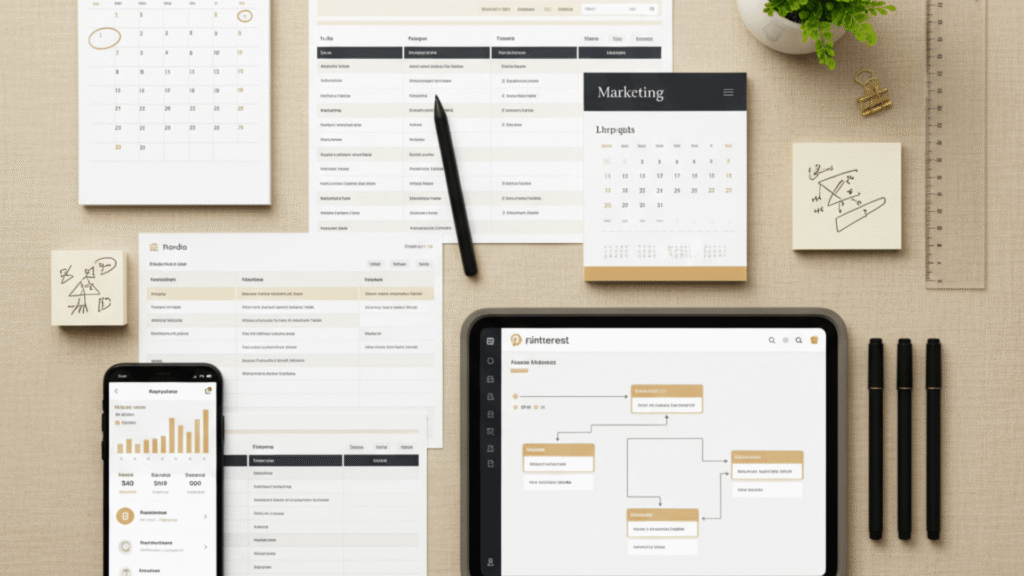
Every creative business has different goals, which means every marketing strategy should be customized. However, most clients experience a similar journey.
Step 1: Evaluate Your Marketing Systems Before Creating a Strategy
First, we’ll review your current marketing, customer journey, business systems, and visibility. If you’re unsure where to begin, a Marketing Systems Audit provides a clear roadmap by identifying strengths, uncovering gaps, and prioritizing the improvements that will have the greatest impact.
Step 2: Create a Marketing Strategy for Sustainable Business Growth
Next, we’ll build a realistic marketing plan based on your goals, available time, and preferred marketing channels. According to Bank of America’s Digital Marketing for Small Businesses Guide, successful businesses focus on consistency, understanding their audience, and choosing the right marketing channels instead of trying to do everything at once. That philosophy aligns closely with how I help clients build sustainable marketing systems.
Step 3: Build Marketing Systems That Improve Consistency
Once your strategy is in place, we’ll organize your workflows, content calendar, and recurring marketing tasks. Because consistency builds trust, these systems make it easier to stay visible without constantly wondering what to do next.
We’ll also look at how AI, automation, and your existing marketing tools can support your business without adding unnecessary complexity. If you’re curious about how search is evolving, my article AI Search for Small Businesses explains what business owners should know to stay visible in the years ahead.
Step 4: Measure Marketing Performance and Continue Improving
Marketing isn’t something you set once and forget. Instead, we’ll review your results, monitor key performance indicators, and make thoughtful adjustments as your business evolves. Small improvements made consistently often create the biggest long-term results.
Frequently Asked Questions About Hiring a Marketing Manager for a Small Business
If marketing keeps falling behind because you’re busy serving clients, hiring a marketing manager helps you stay consistent, improve your visibility, and free up time to focus on growing your business instead of constantly catching up.
A marketing agency usually provides specialized services such as branding, advertising, or website design. By comparison, a marketing manager oversees your overall marketing strategy, coordinates ongoing marketing activities, and ensures every effort supports your business goals.
Freelancers are an excellent choice for individual projects or specialized tasks. However, if you’re looking for someone to develop your strategy, coordinate marketing initiatives, and keep everything moving, an outsourced marketing manager offers more comprehensive support.
AI is a valuable tool for research, brainstorming, and automation, but it can’t replace strategic thinking, creativity, or the human relationships that build trust with your customers. The strongest marketing combines technology with experience and thoughtful decision-making.
Most creative businesses don’t need a full-time employee. Instead, working with a fractional marketing manager for a small business provides strategic guidance, ongoing marketing support, and the flexibility to grow without the overhead of a full-time hire
Ready to Build, Optimize, Delegate, and Automate Your Marketing?
Your marketing shouldn’t become a second full-time job after you’ve finished serving your clients.
Through the BODA Framework—Build, Optimize, Delegate, and Automate—I help creative business owners create marketing systems that are organized, sustainable, and designed for long-term growth.
Whether you’re exploring marketing management services for small businesses, looking for a fractional marketing manager, or trying to create a more consistent marketing strategy, the first step is understanding where you are today.
If you’re ready to stop reacting to your marketing and start building a system that supports your business, begin with a Marketing Systems Audit. Together, we’ll identify opportunities, simplify your processes, and create a roadmap that helps your marketing become more organized, more visible, and more effective.
Author’s Note (Updated July 2026):
Marketing is evolving quickly, especially with the rise of AI-powered search and automation. This guide has been completely updated to reflect current best practices, expanded with new examples, additional resources, and my BODA Framework (Build, Optimize, Delegate, and Automate) to help creative business owners build sustainable marketing systems instead of relying on one-off tactics.


